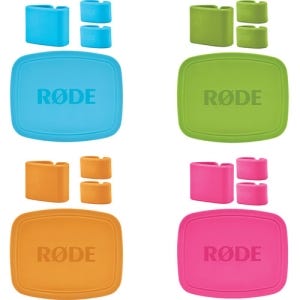
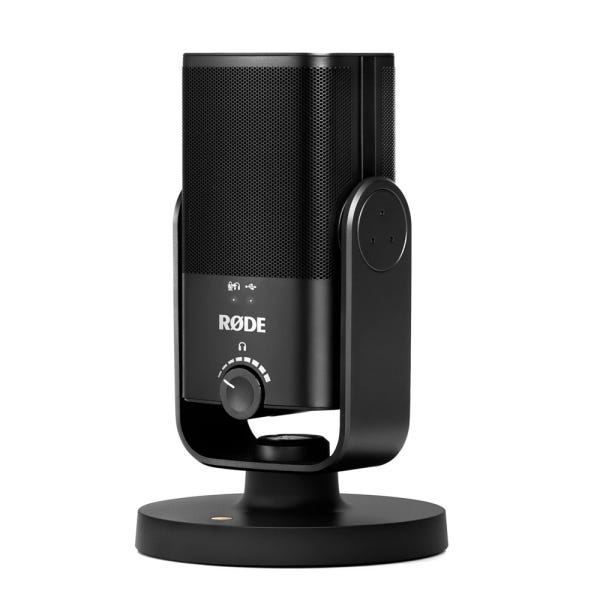
Studio-Grade Cardioid Condenser Capsule, 24-Bit / 48 kHz Conversion, 121 dB Max SPL, Built-in Pop Filter, Zero-Latency Headphone Monitoring, Volume Dial with Press-to-Toggle Mix, 360-Degree Swing Mount, Detachable Magnetic Desk Stand, Class-Compliant USB-C Plug-and-Play, Rode Connect Software with APHEX DSP, Steel and Reinforced Nylon Resin Construction
All RØDE products are warranted for one year from date of purchase. If you purchased your microphone from us then you may be able to extend your warranty to two years, five years, ten years or lifetime (depending on the model) by registering the details of your purchase with Rode.
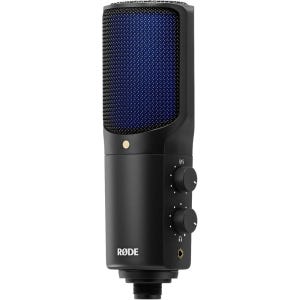
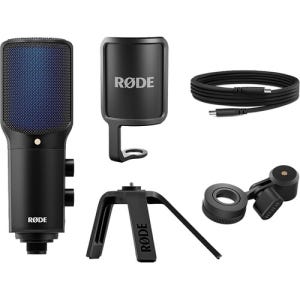
The NT-USB Mini is the microphone that turns a laptop and a desk into a recording booth. A tuned studio-grade condenser capsule sits behind an integrated pop filter on a magnetic desktop base, with a 3.5mm zero-latency headphone jack on the back and a USB-C class-compliant connection that plugs into Mac, Windows, iPad, and compatible mobile devices without drivers. There is no audio interface to buy, no XLR cable to source, no acoustic-treatment crash course required to get clean audio on the first take. For the podcaster recording weekly episodes, the streamer who lives on Twitch and YouTube, the singer-songwriter cutting demos at home, and the freelancer who runs client calls from the same desk, the NT-USB Mini is the microphone Rode engineered when they decided the only acceptable USB mic was a real one. The fact that it costs less than a single broadcast XLR microphone is the trade most working creators take.
The capsule inside the NT-USB Mini is a tuned cardioid condenser, not a generic electret like most desktop USB mics. The cardioid polar pattern rejects sound from the rear and sides of the mic — the keyboard, the open window, the AC vent — and concentrates pickup on whatever sits directly in front of it. The capsule is voiced for the human voice, with the presence range emphasized so consonants stay clear and the chest range stays warm. A built-in pop filter sits behind the grille and catches the burst of air on plosive consonants — the P and B sounds that ruin most untreated USB recordings. There is no external windscreen blocking the camera, no after-effects plosive removal in post. 24-bit / 48 kHz analog-to-digital conversion preserves the dynamic range of the voice without the noise floor a 16-bit USB mic introduces. Maximum SPL is 121 dB, so the same microphone that captures a whisper can also handle a loud singer or an acoustic instrument at close range without clipping.
The 3.5mm headphone jack on the back of the NT-USB Mini is a studio-grade output with its own dedicated amplifier — not an afterthought passthrough. The signal coming out of the headphones is what the mic is actually capturing, with no software involvement and no latency. On a normal USB mic, the headphone return goes through the computer's audio buffer, which introduces a 20 to 40 millisecond delay between the time you speak and the time you hear yourself — enough delay to ruin your phrasing. The NT-USB Mini eliminates that by tapping the signal directly off the mic's analog stage before the digital conversion. The volume dial on the front of the mic controls headphone level, and a press of the dial toggles the mix between direct monitoring (what the mic hears) and computer playback (what the DAW or stream playback is sending back). For tracking vocals over a backing track, this is the same workflow a professional audio interface uses.
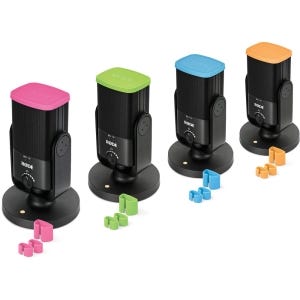
Rode Connect is the free companion software that ships with the NT-USB Mini and runs on Mac and Windows. The software exposes onboard DSP on the mic itself: a noise gate to silence background noise between phrases, a compressor for level consistency on a podcast or stream, APHEX Aural Exciter to add air and presence to the high end, and APHEX Big Bottom for warmth in the chest range. The DSP runs in software on the mic channel rather than on the capsule itself, which means it can be dialed in for the specific recording situation and the dry signal is preserved if you ever want to re-process. Rode Connect also enables a multi-mic workflow: connect up to four NT-USB Mini microphones to the same computer (one per USB-C port, or via a hub), and the software builds an automatic mix-minus structure for each host. Every host hears every other host and the playback, but not their own mic — the configuration in-person podcasts require for clean multi-track recording.
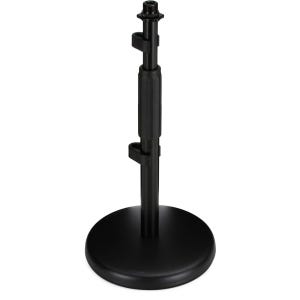
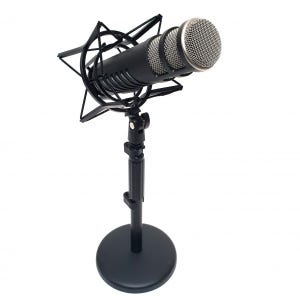
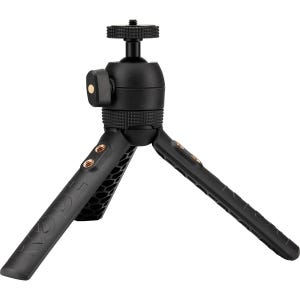
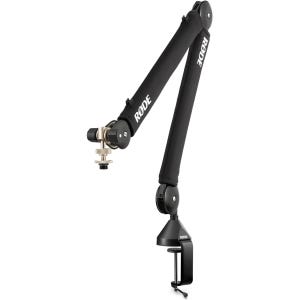
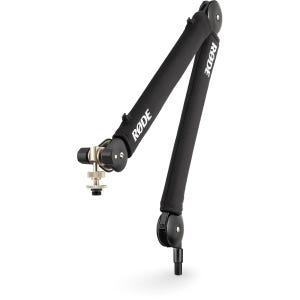
The NT-USB Mini ships with a magnetic desk stand that the mic clicks into. The magnet is strong — strong enough that pulling the mic off the base requires a deliberate motion, not an accidental brush. More importantly, the magnetic interface decouples the mic capsule from structural vibration in the desk: a typing pulse, a bumped table edge, a footstep on a hollow floor are all attenuated by the magnetic break rather than transferred to the capsule. The mic itself sits in a 360-degree swing mount with an integrated 3/8" thread, so when you outgrow the desk stand and add a broadcast boom arm, the mic pops off the magnetic base and threads onto the arm without an adapter. Total mic weight is 585 grams in a steel and reinforced nylon resin chassis — heavy enough to feel like real studio gear, light enough to throw into a backpack for travel.
For the podcaster recording at home and serious about audio quality but not ready to commit to an XLR setup with a separate interface, this is the microphone that gets you to broadcast-adjacent quality with one purchase. For the streamer on Twitch or YouTube who needs clean voice cutting through game audio without the dead-room sound of a headset mic, the cardioid pattern and pop filter handle the room and the consonants without acoustic treatment. For the singer-songwriter or producer cutting vocal demos at home, the studio-grade capsule and 24-bit / 48 kHz conversion deliver tracks worth keeping. For the freelancer on Zoom and Teams who is tired of sounding like everyone else on the call, the NT-USB Mini's cardioid focus and presence-voiced capsule put your voice forward on every call. And for the multi-host podcast group recording in person, four of these and a single computer handle the entire show.
| MPN | NT-USB MINI |
|---|---|
| Color | Black |
| Element | Condenser |
| Power Source | USB |
| Form | Desktop |
| Output | USB |
| Channels | Single |
| UPC / EAN | 698813006687 |
| Brand | Rode |
| Product Condition | New |
| Availability | Out of Stock |
| Type | Side-Address USB Condenser Microphone |
| Polar Pattern | Cardioid |
| Frequency Response | 20 Hz - 20 kHz |
| Sample Rate / Bit Depth | 48 kHz / 24-bit |
| Max SPL | 121 dB (1% THD) |
| USB Connection | USB-C (Class-Compliant) |
| Headphone Output | 3.5mm TRS, Zero-Latency Monitoring |
| Onboard Controls | Volume Dial with Press-to-Toggle Direct/Monitor Mix |
| Internal Pop Filter | Yes (Built-In) |
| Mounting | Integrated 360-Degree Swing Mount, 3/8" Thread, Magnetic Desk Stand |
| DSP via Rode Connect | Noise Gate, Compressor, APHEX Aural Exciter, APHEX Big Bottom |
| Dimensions | 89 mm W x 141 mm H |
| Weight | 585 g |
| Construction | Steel Body with Reinforced Nylon Resin |
| Power | USB Bus-Powered |
| OS Compatibility | macOS, Windows, iPadOS, USB-C Mobile Devices |
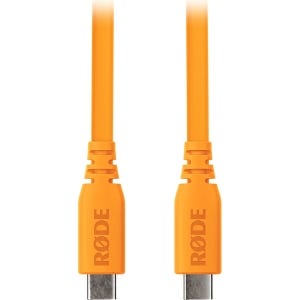
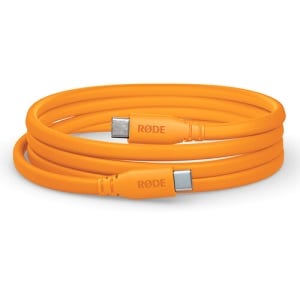
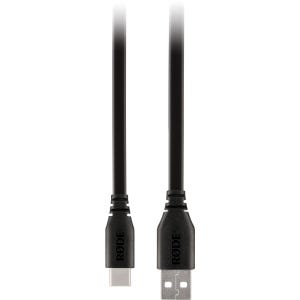
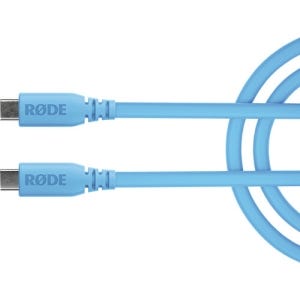
| In the Box | NT-USB Mini, Detachable Magnetic Desk Stand, USB-C to USB-A Cable, 3/8" Thread Adapter, Documentation |